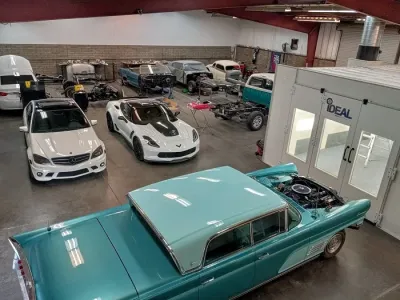
Historical Vehicle Restoration in Tucson: Preserving Automotive History the Right Way

TL;DR
Historical vehicle restoration is about preserving craftsmanship, history, and authenticity, not just fixing old cars. In Tucson, restoring classic and vintage vehicles requires specialized skills, attention to detail, and an understanding of how desert heat affects metal, paint, and materials. This guide explains what historical vehicle restoration involves, the difference between restoration and repair, common challenges, and how the right restoration shop protects both the vehicle’s value and its story.
Historical Vehicle Restoration in Tucson: Preserving Automotive History the Right Way
Classic and vintage vehicles tell a story. Whether it’s a mid-century cruiser, a muscle car from the golden age of American performance, or a rare collector vehicle, historical automobiles represent craftsmanship, culture, and history that simply can’t be replaced.
At Double Gun Garage, historical vehicle restoration isn’t about shortcuts or quick fixes, it’s about honoring the original design, materials, and intent of the vehicle while ensuring it’s safe, functional, and built to last. In Tucson’s demanding desert climate, proper restoration requires experience, patience, and respect for automotive history.
What Is Historical Vehicle Restoration?
Historical vehicle restoration goes far beyond standard auto body repair. While collision repair focuses on returning a vehicle to pre-accident condition, restoration aims to return a vehicle as close as possible to its original factory or period-correct state.
This process may involve repairing or fabricating original body panels, correcting structural issues from age or past damage, matching historically accurate paint colors and finishes, preserving original components whenever possible, and sourcing or recreating period-correct parts.
Restoration vs. Repair: Understanding the Difference
Auto body repair focuses on fixing damage quickly using modern materials and methods. Historical restoration prioritizes accuracy, craftsmanship, and long-term preservation.
Restoration projects often require longer timelines, hand-crafted solutions, research into original specifications, and careful decision-making to balance authenticity with safety and drivability.
Why Tucson Is Unique for Classic Car Restoration
Tucson’s dry climate helps reduce rust compared to more humid regions, but the desert environment still presents challenges that must be addressed during restoration.
Desert Heat and Sun Exposure
Years of intense sun exposure can fade paint, dry out seals and interiors, and weaken rubber and plastic components. Proper restoration uses materials and finishes designed to withstand extreme heat and UV exposure.
Dust and Environmental Wear
Fine desert dust can settle into seams, panels, and mechanical components over decades. Thorough disassembly and cleaning are essential during the restoration process.
The Historical Vehicle Restoration Process
Initial Evaluation and Planning
The restoration process begins with a complete evaluation of the vehicle’s condition, originality, and previous repairs. Clear goals are established, whether the project is a full concours restoration or a driver-quality build.
Disassembly and Documentation
Vehicles are carefully disassembled to expose hidden issues. Components are documented and assessed for restoration, repair, or replacement.
Structural and Body Restoration
Metal repair, rust correction, and structural work are completed with precision. When original panels cannot be saved, replacements are fabricated or sourced to match factory specifications.
Paint and Finish Work
Paint selection often involves researching original manufacturer color codes and finishes. Climate-controlled paint environments are essential in Tucson to ensure proper curing and durability.
Reassembly and Final Details
Restored components are reinstalled with attention to detail, ensuring proper fit, function, and historical accuracy.
Preserving Authenticity and Vehicle Value
For historical vehicles, authenticity directly impacts value. Incorrect parts, modern shortcuts, or poor workmanship can significantly reduce collectability.
A quality restoration balances originality with necessary safety improvements, protecting both the vehicle’s heritage and long-term value.
Common Challenges in Historical Vehicle Restoration
Restoration projects often face challenges such as limited parts availability, previous improper repairs, material matching difficulties, and the time investment required to do the job correctly.
An experienced restoration shop anticipates these challenges and communicates clearly throughout the process.
Why Experience Matters in Restoration Work
Historical vehicle restoration requires patience, craftsmanship, and a deep appreciation for automotive history. Experienced restoration professionals understand period-correct techniques and know when modern solutions are appropriate.
Is Historical Vehicle Restoration Worth It?
For many owners, restoration is absolutely worth it. A properly restored vehicle can retain or increase in value, preserve personal or cultural history, and provide pride of ownership that modern vehicles cannot match.
Final Thoughts on Historical Vehicle Restoration in Tucson
Historical vehicle restoration is both a responsibility and an art. When done correctly, it preserves automotive history while ensuring the vehicle remains safe, functional, and beautiful for years to come.
In Tucson, choosing the right restoration shop makes all the difference. Skilled craftsmanship, attention to detail, and respect for originality transform a classic vehicle into a living piece of history.